
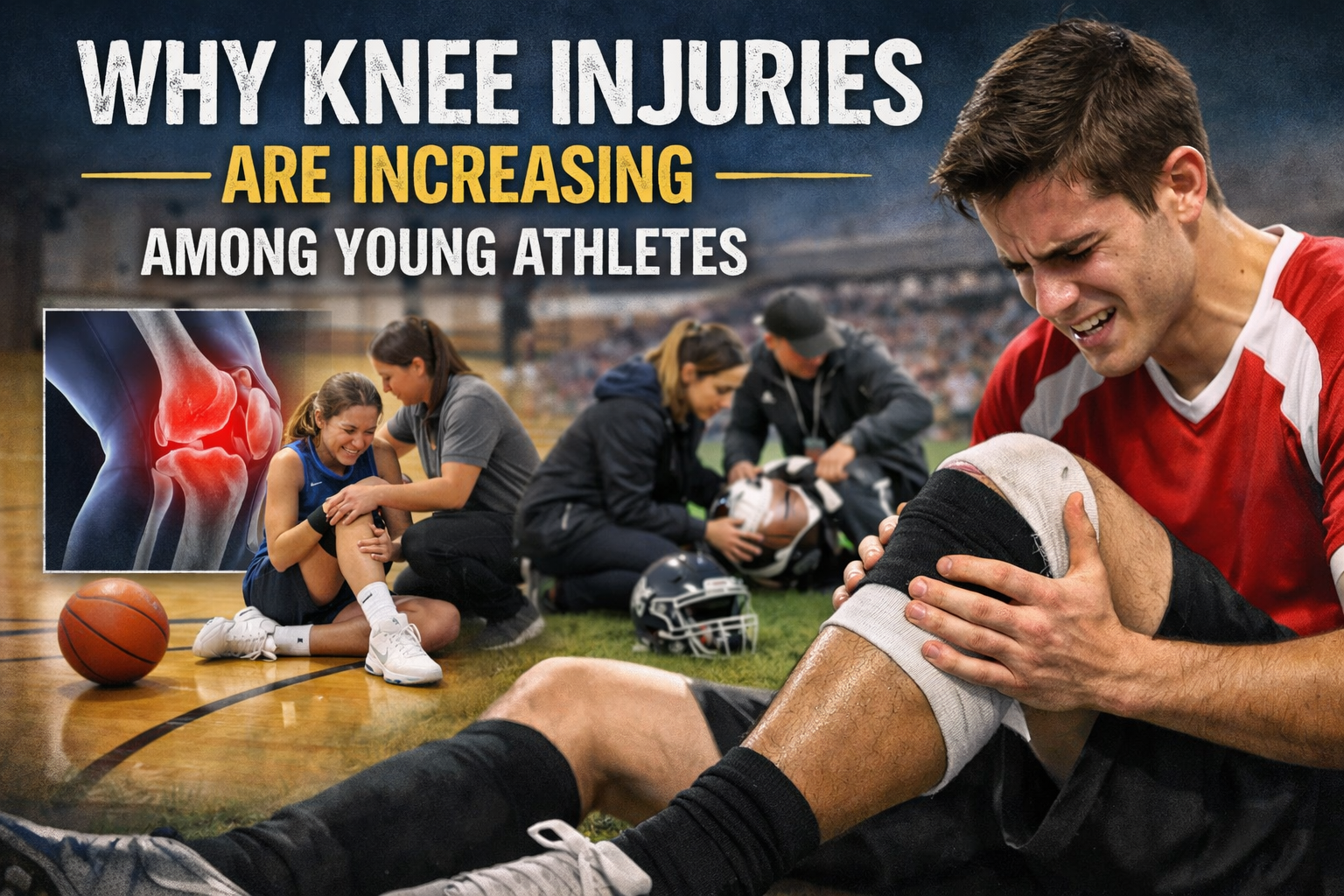
Sports participation among youth has grown rapidly in recent years. While physical activity is essential for fitness and performance, medical experts are noticing a concerning rise in knee injuries among young athletes. Many teenagers and young adults who actively participate in sports are experiencing ligament tears, joint strain, and chronic knee pain earlier than previous generations. Understanding the causes, risk factors, and prevention strategies is essential to protect the long-term health of young players.
Rising Cases of Sports-Related Knee Problems
Orthopedic specialists are reporting a steady increase in sports injury in youth cases, especially involving the knee joint. The knee is one of the most stressed joints during activities such as running, jumping, and sudden directional changes. When training intensity increases without adequate conditioning, the risk of damage becomes significantly higher.
Young athletes involved in competitive sports such as football, basketball, and athletics often face repeated stress on the knee joint. This continuous pressure can lead to ligament strain, cartilage damage, and joint instability if proper precautions are not taken.
Major Causes of Knee Injuries in Young Athletes
1. Early Sports Specialization
Many children now focus on a single sport from a very young age. Continuous repetitive movement increases the risk of overuse injuries and limits balanced muscle development.
2. Intense Training Schedules
Training sessions without proper recovery periods can cause fatigue and weaken the muscles that support the knee joint. This increases the chances of ACL injury risk during high-impact activities.
3. Poor Training Techniques
Improper landing mechanics, incorrect running posture, or sudden pivoting movements can lead to ligament tear in athletes.
4. Weak Core and Muscle Imbalance
Lack of strength in surrounding muscles such as the quadriceps, hamstrings, and hips can increase knee joint stress during sports.
5. Inadequate Warm-Up and Stretching
Skipping warm-up routines reduces flexibility and increases susceptibility to sports knee pain.
Common Types of Knee Injuries in Young Athletes
Young athletes may experience several types of knee problems, including:
Anterior Cruciate Ligament (ACL) Tears
Meniscus Injuries
Patellar Tendinitis (Jumper’s Knee)
Knee Ligament Sprains
Growth Plate Injuries
Early detection and proper treatment help prevent long-term joint damage and maintain athletic performance.
Warning Signs That Should Not Be Ignored
Recognizing symptoms early can help prevent serious complications. Watch for:
Persistent knee swelling after activity
Difficulty bending or straightening the knee
Instability while walking or running
Clicking or locking sensation in the joint
Pain that worsens with physical activity
If these symptoms continue, professional medical evaluation becomes necessary.
Effective Prevention Strategies
Preventing injuries is always better than treating them. Young athletes can reduce the risk of knee damage by following these steps:
Perform proper warm-up exercises before sports
Include strength training for leg and core muscles
Use correct sports techniques and posture
Take adequate rest between training sessions
Wear appropriate footwear and protective gear
Avoid sudden increases in training intensity
Regular medical checkups also help identify potential risks early.
When to Consult an Orthopedic Specialist
Ignoring knee pain can lead to long-term complications and reduced athletic ability. If a young athlete experiences recurring knee discomfort or instability, early consultation with an orthopedic expert is important.
For expert diagnosis and advanced treatment, consult Dr. Harish Kattamudi a top Orthopedic Surgeon in Vijayawada. Early evaluation ensures proper recovery and helps athletes safely return to sports.
Conclusion
The increasing participation of young individuals in competitive sports has led to a rise in knee-related injuries. Factors such as intense training, muscle imbalance, and improper techniques are major contributors.
Understanding risk factors and implementing preventive strategies can significantly reduce injury rates. Proper guidance from orthopedic specialists helps young athletes maintain long-term joint health.
Protecting the knee joint today ensures better athletic performance and mobility in the future.